Our Service
Our Multimedia Service provided limitless solutions to all your company requirements. We blend several types of media, such as text, audio, video, and photos, to create a unified interactive digital experience.

Multimedia Design
Multimedia design is the practice of combining many media, such as text, graphics, audio, and video, to communicate with an audience. The practice is a specialisation in graphics and internet design, but also utilised in advertising and marketing.
Many firms are shifting their audience interaction and advertising to online platforms that value visual content. As a multimedia designer, you can work in any business or organisation that wants to engage its audience with compelling material that informs, educates, and entertains.

Brand Development
Brand development is the strategic process of building and differentiating your company's image, products, and services from your competitors. Development entails aligning your brand with your business goals, communicating your brand to your target market, and upgrading or reinforcing your brand as needed.Brand development is a continual process, with goals serving as more or less benchmarks for new ideas and products as your firm expands. As a result, your strategy may alter over time as culture shifts and new audiences emerge. Below, we'll look at how to create a successful brand development strategy that conveys your narrative and builds client loyalty.
Graphic Design
Graphic design is the art of using visual components like typography, images, colours, and shapes to effectively transmit information or a message. Graphic design can take many forms, including designing the layout of a magazine, making a poster for a stage play, or designing product packaging. In fact, practically everyone now uses some type of graphic design in their daily lives, whether it's adding text to an image for social media or colour-coding a spreadsheet at work.
Web Development
Web development is the process of creating websites or web applications that run on the Internet (or intranet). It can take many different forms, such as database management, web development, and web design.Web developers are in charge of carrying out these activities as well as maintenance, which entails ensuring that the website or app is well-built and, more importantly, continues to perform properly.Non-technical individuals may find web building difficult, however tools such as website builders are now available to everyone. These are designed specifically for folks with no prior knowledge with web programming. These products are typically targeted at startups or small businesses.
App Development
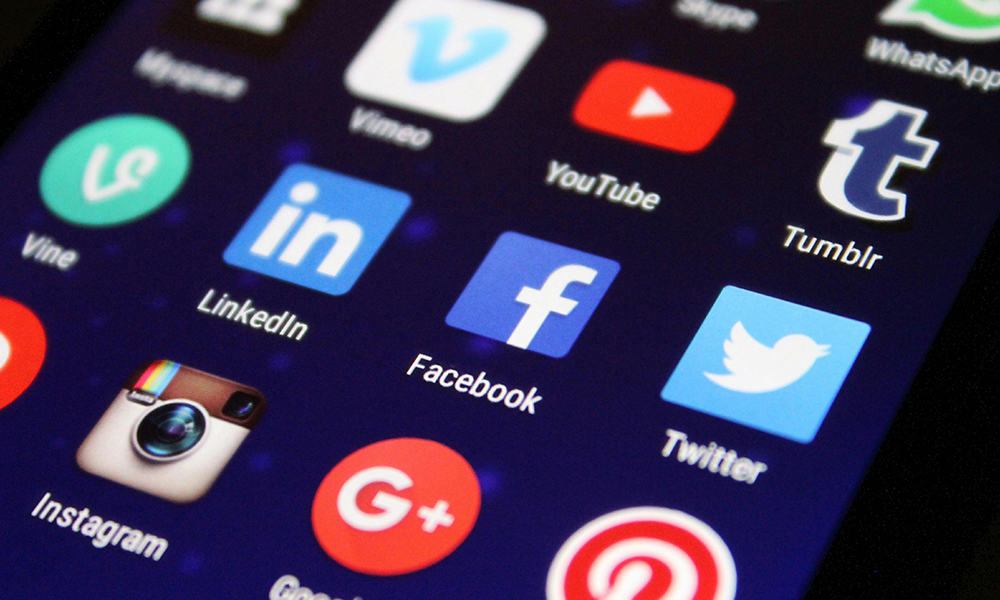
The process of planning, designing, developing, testing, and implementing an application to carry out different business tasks is known as application development, or app development. It can be carried out by a single independent developer or by huge organisations with sizable teams working on projects. The process of creating an application is known as application development, and it often adheres to a set methodology.The process of creating an application involves many considerations. The project's scale, the level of detail in the requirements, the customer's need for change, the size and experience of the development team, and the project's deadline are all factors to take into account.

Animation
The area of computer-generated imagery (CGI) that deals with creating moving visuals is called computer animation. Computer animation, which includes both 2-D and 3-D digital animations, enables the stunning visuals and special effects that enthral viewers. Depending on the specific task, computer animation techniques can include "keyframing" (replacing images with a slightly altered version of themselves, usually indicating a slight increase in time), manipulating a digital image created by a graphic artist, or tracking a real-life actor or object using motion capture and then digitally animating over them. The bulk of the computer animation sector concentrates on 3-D animation, using a combination of motion capture and keyframing techniques as industry standards.
Video Production
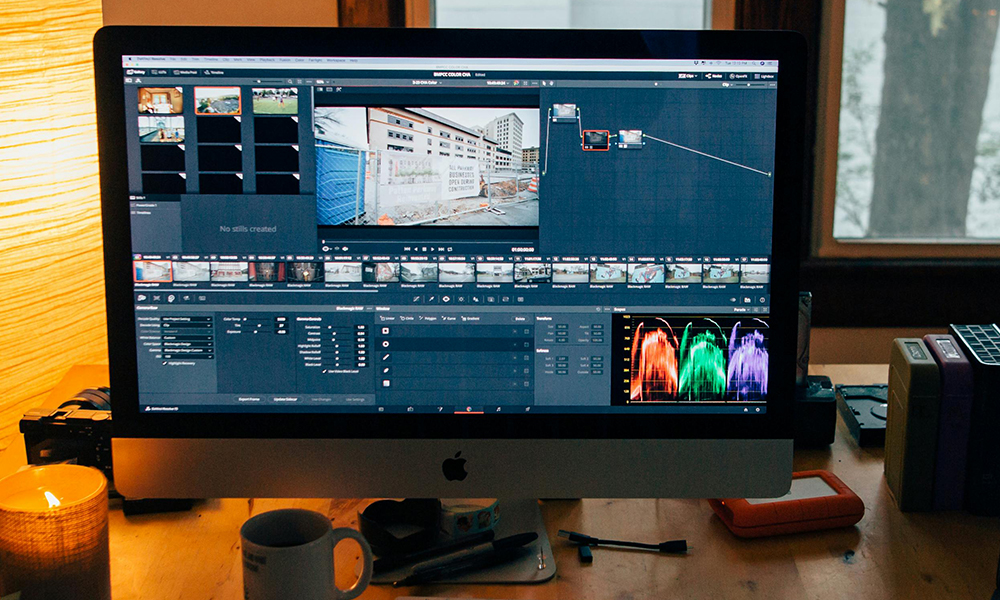
The art and practice of creating video material is known as video production. Although it uses digitally captured photographs rather of film material, it is comparable to filmmaking. Fundamentally, video production turns an idea or concept into a visual narrative that is interesting, educational, and appropriate for the target audience. Video creation is a series of clearly defined steps rather than a single activity. These procedures guarantee that the finished product reflects the original idea and appeals to the target market. The planning stage is known as pre-production. Here, producers choose the goals of the video, select the actors and crew, select the settings, and write a comprehensive plan (or script) for your material. It all comes down to building a strong foundation.